Build a DeepSeek Harness knowledge base with maintainable agent memory
Connect maintained sources to work the team can inspect, correct and reuse.
You explain a company policy to an agent today, then repeat it for a different task tomorrow. Saving the material helps, but introduces a version problem: the policy changes while the agent keeps using yesterday’s answer, and colleagues receive conflicting guidance.
Useful memory for DeepSeek Harness should reduce repeated explanations and keep shared facts current. That requires a maintained place for evidence, applicability and corrections, followed by retrieval of the accepted result. The Busabase plugin provides an entry point for that operating cycle.
Make the next retrieval correct
Company knowledge changes as policies and projects evolve. A useful DeepSeek Harness knowledge base must preserve the source, applicable scope and update path of a fact so the next task retrieves its current accepted value. The Busabase plugin, @busabase/dsh-plugin, connects Harness to that maintained workspace. Installation supplies access; the team still decides how knowledge is organized and accepted.
Choose the connection deliberately
In Harness Desktop, open Add plugin, enter @busabase/dsh-plugin, choose Official npm registry and install. Managed Local manages a local Busabase service at http://localhost:15419 and starts it on the first busabase_start call. Existing server connects to a process owned by Desktop or another application; start that process first. The plugin probes it without launching a replacement. Cloud uses https://busabase.com and browser OAuth after restarting Harness. Desktop configuration must not be confused with the CLI web profile path. Restart after installation or configuration changes. Installed Desktop plugins do not update automatically: uninstall and reinstall to update. Verify local modes with busabase_start followed by a Base listing. In Cloud, use auth_verify and list the workspace; Cloud has no busabase_start tool.
Keep explanations, facts and methods distinct
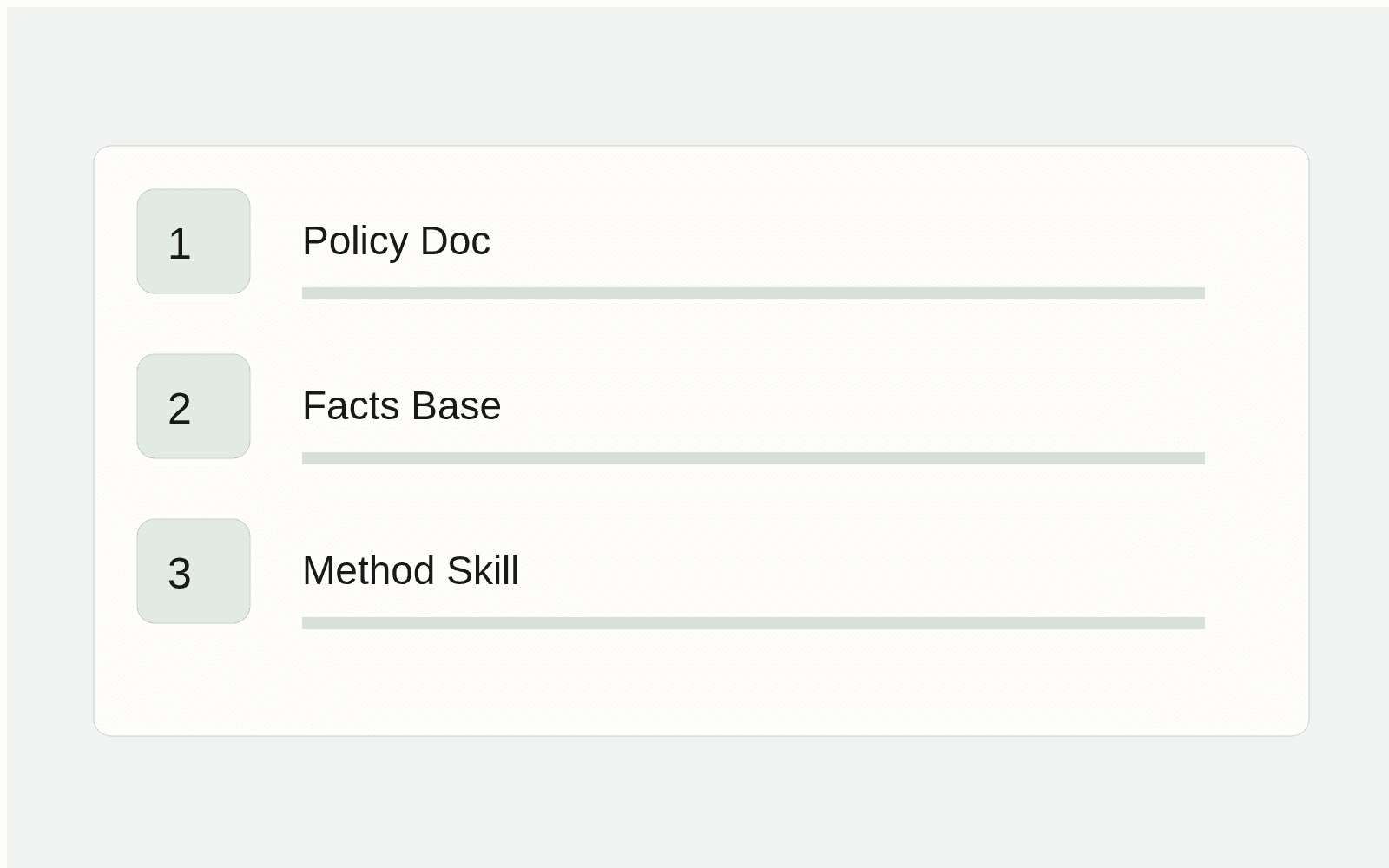
A starter Folder can group a Doc for policy and source material, a Base for facts that change independently, and a Skill for retrieval and correction procedures. Reuse existing resources where possible. Suggested Base fields are a short name, statement, source URL, applicable scope, business state, effective date and owner. Text, date and single-select fields support those jobs; use relationships when linking existing source records. A stored statement may still be unconfirmed or obsolete. Its presence alone does not authorize using it in a customer commitment.
Retrieve applicable facts before answering
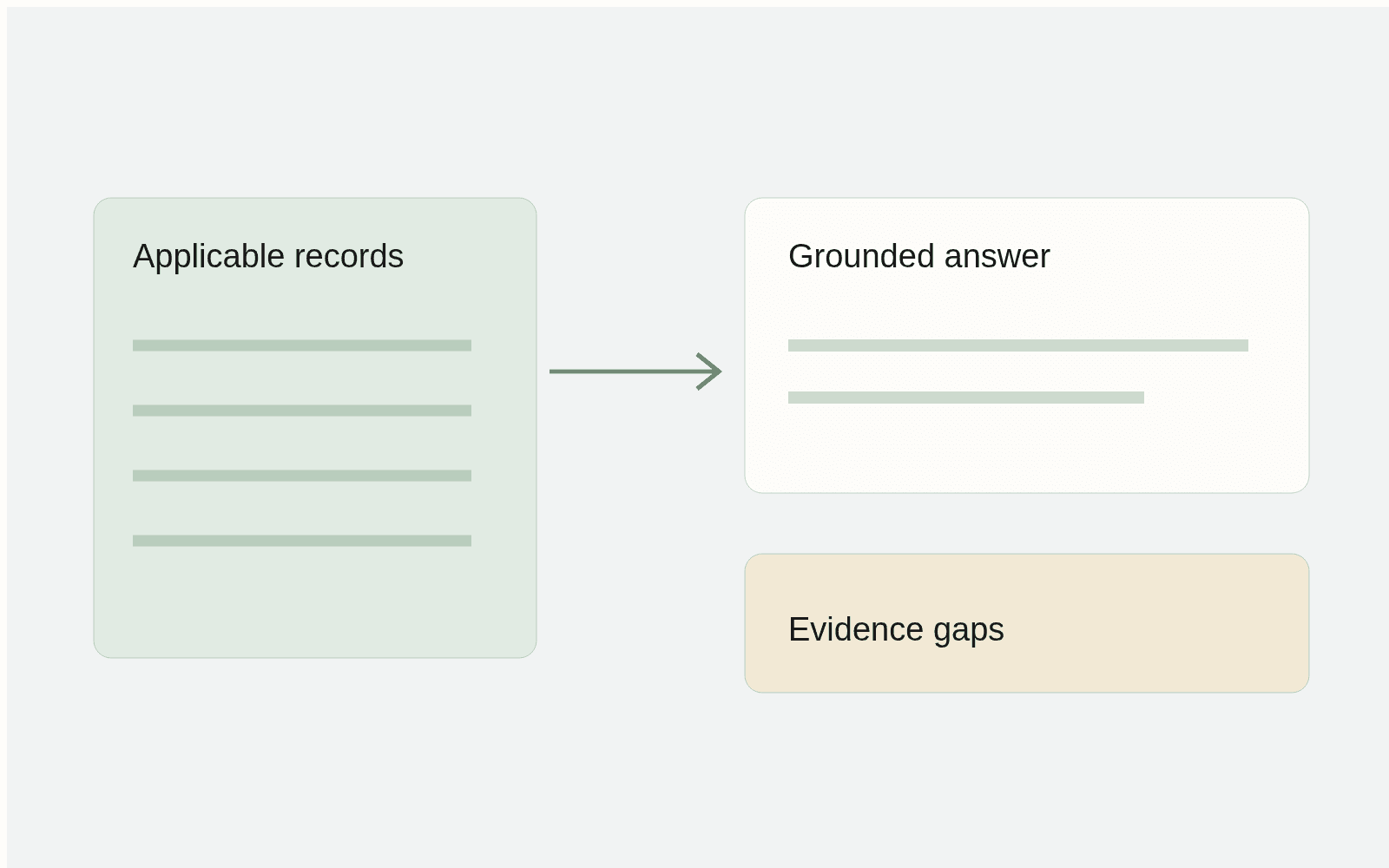
Give Harness a bounded instruction: Read the business Folder and its operating method. Select confirmed facts applicable to this audience and time. Cite the source records and supporting passages. List conflicts and missing information. Propose updates through a ChangeRequest showing old value, proposed value and evidence; do not perform external business actions. Review whether the cited passage actually supports the answer. Narrow retrieval by Folder, Base, state and audience before reading relevant bodies. If the task requires a whole-table conclusion, handle pagination instead of treating the first page as complete.
Propose a correction to the original record
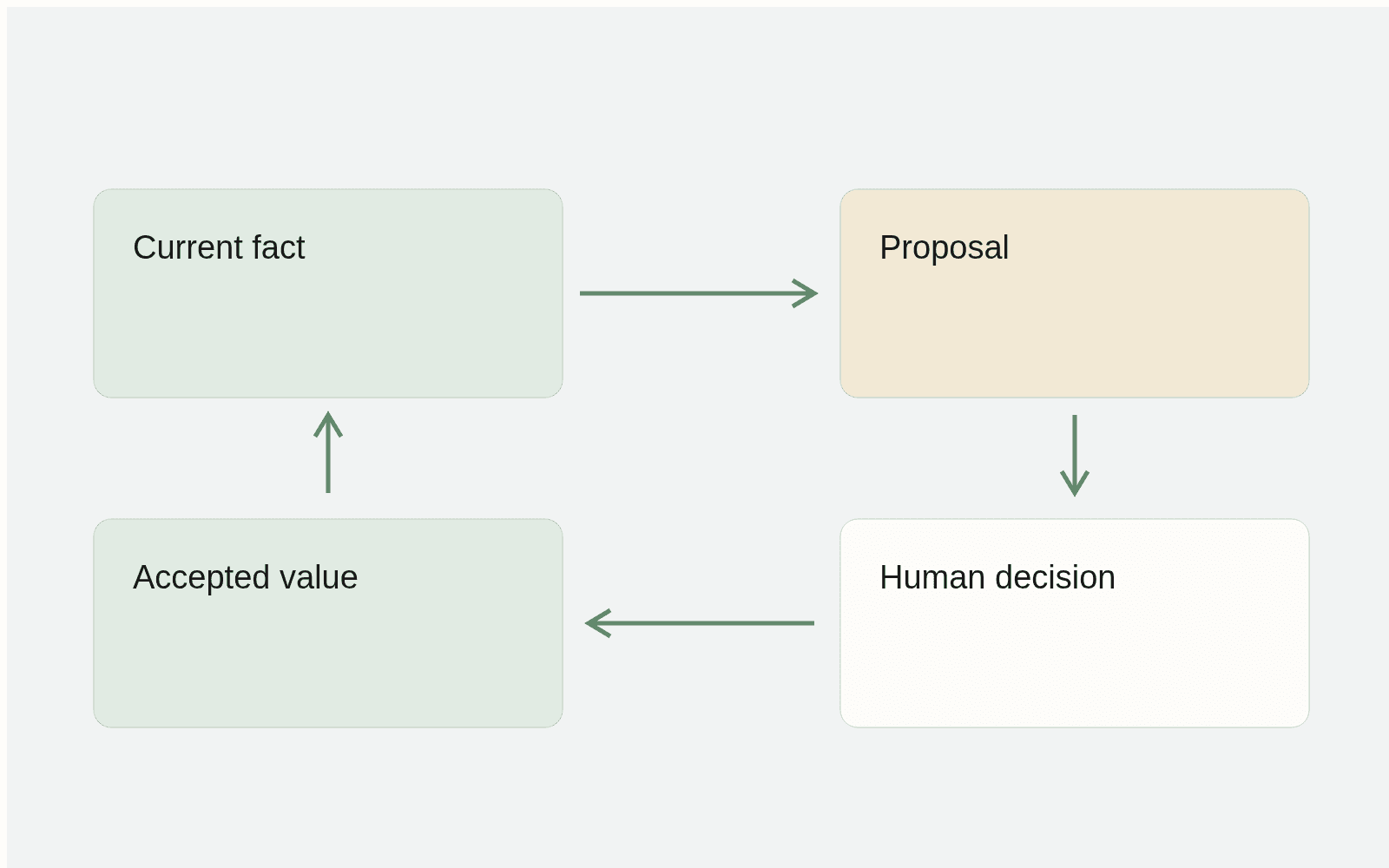
Identify the existing record and exact fields to change. Preserve its identity and explain the supporting source and effective scope. The reviewer compares before and after values and decides whether the business statement is valid. The Harness plugin caps the agent connection at changeRequest: the agent cannot approve or merge its own proposals. Cloud review follows the canonical proposal link into Busabase; local modes support review and previews within Harness. Do not substitute general API-key behavior for this connection’s limits. A merged proposal also does not change a business-state field unless that field was part of the accepted change.
Read back the accepted result
After review, retrieve the original record and verify current values, sources and state. Future tasks should retrieve that maintained record instead of relying only on a previous conversation summary. For corrections, retain the source trail and change history. Validate one fact through retrieval, a precise proposal, human review and current-value readback before expanding the library. The plugin guide covers connection details; Change Requests explains the update mechanism.