 Busabase × Kimi Code
Knowledge Base for Kimi Code
Structured evidence beyond session attachments
Kimi Code preserves structured MCP results and session attachment references. Busabase adds a shared record for the conclusions a team has checked. Keep the tool summary, raw field and original attachment separate: a readable session reference is not automatically a file another agent can access.
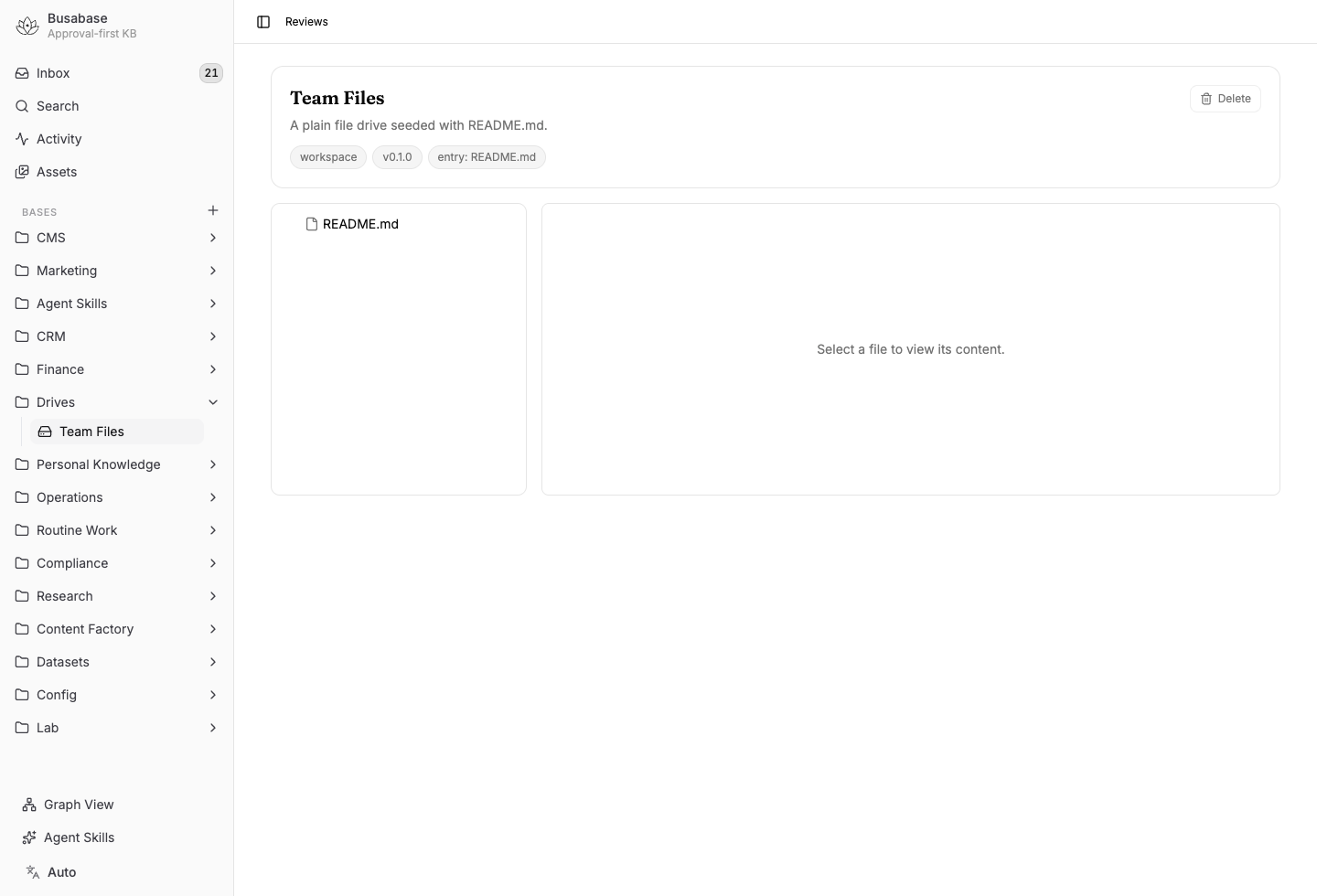
Busabase product interface (English).
Separate the summary, the original and the accepted fact
A readable tool summary helps the current task navigate results. Structured fields preserve the values returned by the tool. The original image, CSV or resource is the evidence a reviewer must inspect. Keep all three references together, but assign an acceptance state to the claim itself.
Execution context
Keep working files, instructions and temporary observations with the task.
Evidence references
Preserve the source, observation time and exact scope that support a claim.
Accepted team record
Carry reviewed values and unresolved questions into the next task through a current record reference.
A summary says approved; the JSON says pending
Illustrative supplier review: the text says a supplier passed, but structuredContent still contains status=pending. The contract image has not been read and a linked resource has not been downloaded. Do not choose whichever result sounds more complete. Preserve both values and record which evidence was actually inspected.
Illustrative example, not a real customer result or test.
Example proposal ledger
| Field | Illustrative value | Evidence / decision |
|---|---|---|
| summary.status | approved | conflict |
| structuredContent.status | pending | unresolved |
| source_page_or_row | CSV page 1; pages 2–3 unread | incomplete |
| review_decision | request missing evidence | not accepted |
- 01summary vs JSON conflict
- 02unread contract image
- 03CSV pagination unfinished
- 04linked resource not downloaded
- 05original cannot be shared
- 06accepted field with source
Complete the evidence before accepting the supplier
Ask the next task to resolve one specific gap: retrieve the remaining CSV pages, inspect the contract image, or reconcile status with the raw JSON. Record the page or row behind each corrected value. A reviewer can accept verified fields while leaving the rest unresolved; the record does not need one blanket approved label.
What the next agent should receive
Suggested record fields
claim_id, raw_value, source_page_or_row, attachment_ref, evidence_status, review_decision
Do not claim that Busabase reads kimi-file:// directly. Export or upload an original only with authorization to a team-accessible location, preserve its hash and sensitivity label, then verify the new reference. A missing original keeps the claim unresolved. Tool-call approval is separate from accepting a business fact.
Source + observation time
Link the exact file, row, commit or URL and state when it was inspected.
Scope + acceptance state
Name the environment or delivery affected; keep unsupported fields unresolved.
Owner + next check
Assign who maintains the conclusion and what evidence would require revisiting it.
From a finding to an accepted record
- 01Read the existing record and verify Space, Base and head.
- 02Propose only supported fields; include evidence and unresolved questions.
- 03Use changeRequest permission when review must precede acceptance. A write grant is broader authority, not a mandatory human gate.
- 04After authorized review and merge, read the canonical record back. Carry its version and open questions into the next task.
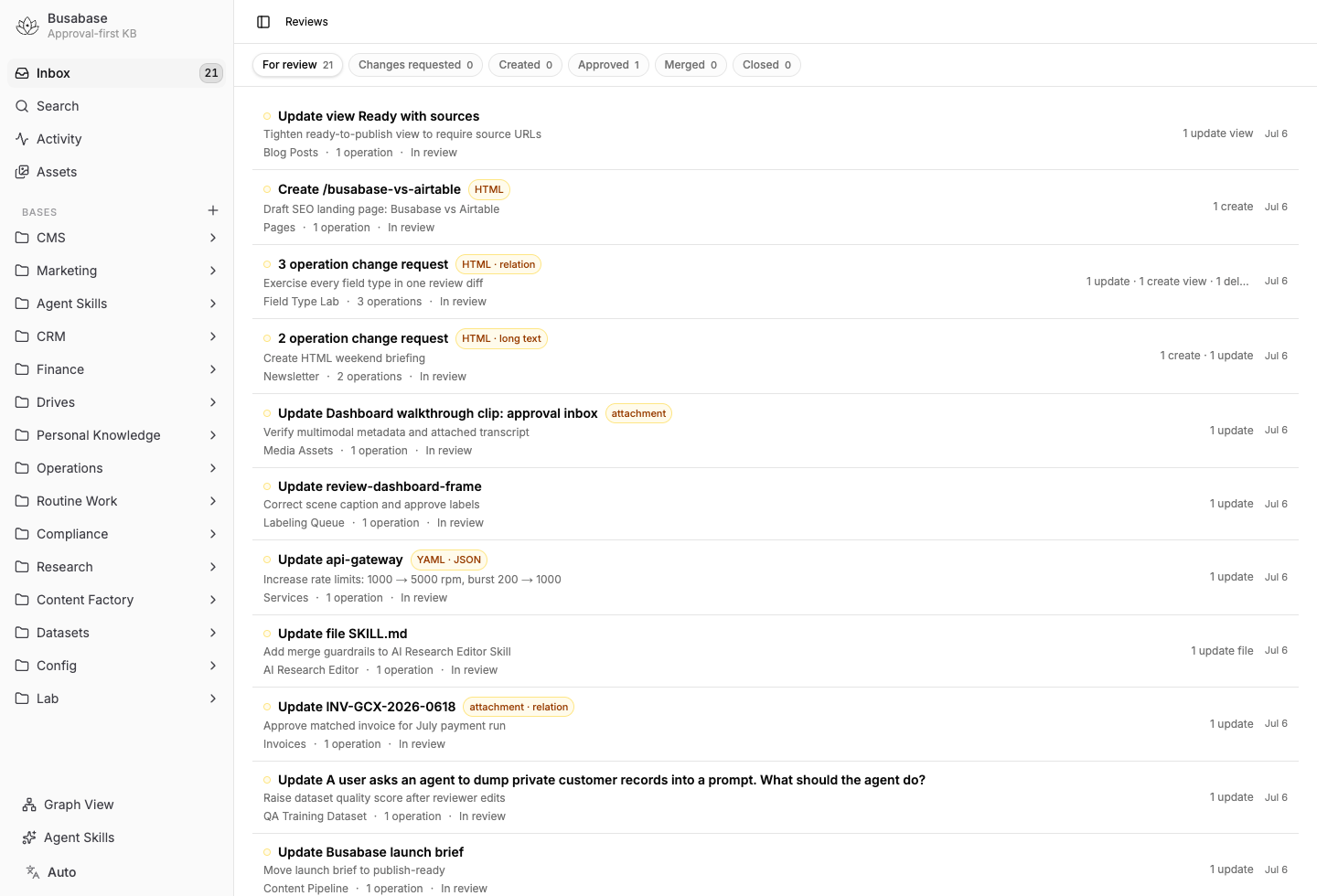
Keep evidence access usable after the session
Before reuse, open the shared original from the receiving agent’s context. If access fails, retain the accepted value and its history but flag the evidence for renewed verification. When a newer source changes the value, propose a scoped update with the previous source and the replacement; do not silently replace the historical attachment.
Practical questions
Can another agent open a kimi-file:// reference?
Do not assume it can. That reference belongs to Kimi’s session storage. With authorization, make the original accessible to the reviewer, preserve the source and hash, and verify access from the receiving task. Until then, mark the claim’s evidence as unavailable.
Does this replace native memory?
No. Keep native instructions and session memory for execution. Store reviewed facts and their sources here, and read their current version when needed.
How do concurrent updates work?
Read the current head before proposing. If it changes, inspect competing edits and revise the proposal rather than overwriting new evidence.